Understanding Post Menstrual Syndrome: Symptoms, Causes, and Effective Relief Strategies
Estimated Reading Time: 3.5 minutes
Premenstrual Syndrome (PMS) is widely discussed, but what happens after your period ends? For many women, symptoms don't disappear with menstruation - they linger or even intensify. This experience is often described as Post Menstrual Syndrome (PMSx) by those affected, though it's not an officially recognised medical diagnosis.
Still, for those who feel “off” in the days after their period, whether physically, emotionally, or mentally, it’s a very real experience. In this article, we’ll explore what Post Menstrual Syndrome refers to, common symptoms, possible causes, and evidence-informed strategies that may help manage it.
What is Post-Menstrual Syndrome?
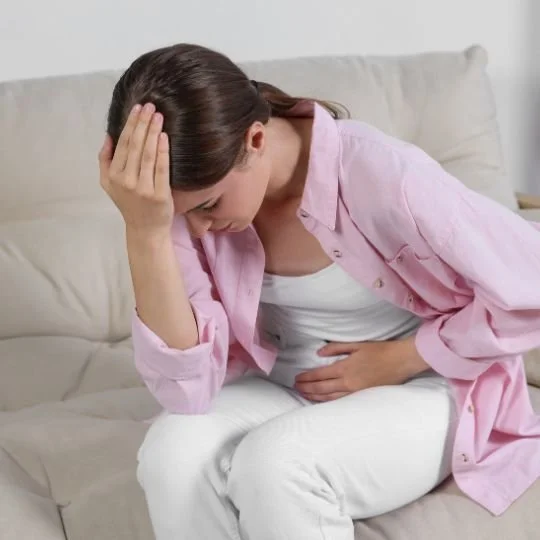
Women may feel unexpectedly tired, emotionally reactive, foggy-headed, or physically uncomfortable even after their period has ended.
"Post Menstrual Syndrome" is a term used informally to describe a cluster of symptoms - physical, emotional, and cognitive - that some women report in the days or weeks following menstruation. While this concept has not been formally defined in clinical literature, it is increasingly being discussed in health communities and wellness spaces, and some research shows that symptoms can fluctuate not only before a period but also during and shortly after it.
Women may feel unexpectedly tired, emotionally reactive, foggy-headed, or physically uncomfortable even after their period has ended. Though understudied, these symptoms may be influenced by hormonal shifts, stress, nutritional status, and underlying health conditions.
By shining light on this lesser-known phase, we can begin to validate these experiences and encourage proactive self-care and support.
Common Symptoms of Post-Menstrual Syndrome
Post-menstrual symptoms vary widely in type and severity. Some of the most commonly reported include:
Physical:
Fatigue or low energy
Headaches or body aches
Gastrointestinal issues (bloating, constipation, diarrhea)
Skin sensitivity or breakouts
Emotional:
Mood swings
Irritability
Anxiety or low mood
Emotional sensitivity
Cognitive:
Difficulty concentrating
Mental fog or forgetfulness
Reduced motivation or clarity
Because these symptoms can affect daily functioning, understanding your body’s patterns can be empowering and can help inform your approach to relief.
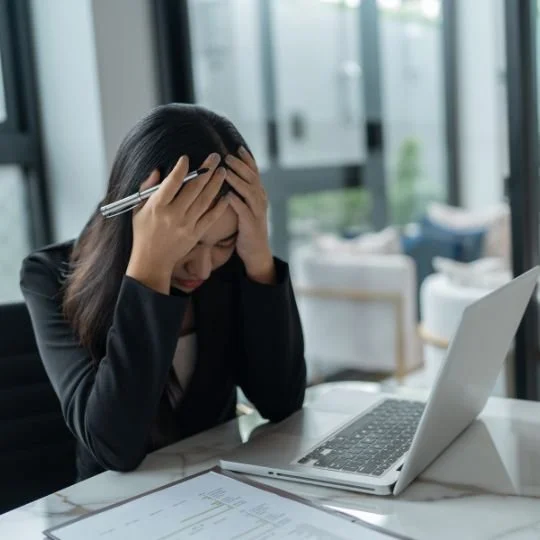
Chronic stress is linked with more intense menstrual‑related mood and physical symptoms, which may include fatigue, irritability and sleep disruption.
Possible Causes of Post-Menstrual Syndrome
While research on the post-menstrual phase is limited, several plausible factors may contribute to symptoms during this time:
1. Hormonal Fluctuations
After menstruation, estrogen levels generally begin to rise while progesterone remains low, and research indicates that changes across menstrual phases can influence mood, anxiety and other symptoms, particularly in women whose mental health is already vulnerable.
2. Stress and Cortisol
Chronic stress can raise cortisol levels and is linked with more intense menstrual‑related mood and physical symptoms, which may include fatigue, irritability and sleep disruption.
3. Nutritional Gaps
Deficiencies in key nutrients like magnesium, vitamin B6, or omega‑3 fatty acids have been linked to mood and menstrual‑related symptom severity in some studies, though more research is needed specifically on the post‑menstrual phase.
Nutritional deficiencies may also be more common in people with conditions such as irritable bowel syndrome (IBS) or inflammatory bowel disease (IBD), where digestive symptoms and inflammation can affect dietary intake and nutrient status.
4. Mental Health History
Women with existing anxiety, depression, or trauma may notice that their psychological symptoms intensify at certain points in the cycle, including around menstruation, and this pattern has been documented across several mental health conditions.
How It Can Affect Daily Life
Post-menstrual symptoms, while not always severe, can be disruptive:
Work and productivity may suffer due to fatigue, brain fog, or difficulty concentrating.
Social connections can feel strained due to emotional reactivity or low mood.
Physical discomfort may limit exercise or reduce motivation.
Self-esteem can be impacted when women feel “off” but can’t explain why.
It’s important to remember: these experiences don’t reflect your capability.
They’re part of a complex biological cycle, and they can be supported.
Recognising Patterns: Should You Seek Diagnosis?
There is currently no formal diagnostic category for Post Menstrual Syndrome, but that doesn’t mean your symptoms aren't valid or manageable.
To gain clarity, consider tracking your symptoms for a few menstrual cycles using a journal or app like Ovum. This helps you to:
Identify patterns and triggers
Communicate more clearly with your healthcare provider
Rule out other conditions like thyroid disorders, hormonal imbalances, endometriosis or PMDD.
Your provider may recommend blood work, a pelvic exam, or even referral to a specialist depending on what’s uncovered.
Moderate to severe premenstrual syndrome (PMS) may signal a higher risk for earlier menopause (before age 45) or more intense vasomotor symptoms like hot flushes later in life, according to a large prospective study of over 74,000 women.
While post-menstrual symptoms lack direct research linking them to these outcomes, tracking any persistent cycle-related patterns - pre- or post-menstrual period - can help identify hormonal sensitivities early and inform proactive midlife planning.
Evidence-Informed Relief Strategies

Regular physical activity supports hormone regulation, reduces stress, and can improve energy levels and mood.
While direct research on post-menstrual symptoms is limited, some well-supported lifestyle strategies can help manage hormone-related symptoms across the cycle:
1. Exercise
Regular physical activity supports hormone regulation, reduces stress, and can improve energy levels and mood.
2. Nutrition
Eating a balanced diet rich in leafy greens, whole grains, protein, and healthy fats, can support hormonal and metabolic health. Try to limit processed foods, excess sugar, and alcohol.
3. Stress Management
Practices such as mindfulness, deep breathing, yoga, or therapy can help calm the nervous system and support emotional stability.
4. Supplements
Some women report benefit from supplements such as magnesium, vitamin B6 or omega‑3s, and there is research showing that magnesium and vitamin B6 can reduce premenstrual symptom scores in some people, although studies have not specifically targeted the post‑menstrual phase.
5. Medications
If symptoms are severe or persistent, your doctor may suggest treatments ranging from pain relievers to hormonal support (e.g. birth control) or antidepressants, depending on your needs and history.
When to Seek Medical Help
It’s time to talk to a doctor if:
Your symptoms are severe or worsening
They are interfering with your daily life or work
You experience chronic pelvic pain, fatigue, or emotional distress
Lifestyle strategies and self-care aren’t helping
A health practitioner can help identify possible underlying causes and create a personalised care plan.
Final Thoughts: Honouring the Post-Menstrual Phase
Even though “Post Menstrual Syndrome” is not a formal diagnosis, the experiences it refers to are real for many women. Hormonal changes don’t stop when your period ends - neither should the conversation about how to support your body and mind.
By tracking symptoms, practising holistic self-care, and seeking support when needed, women can better navigate this often-overlooked phase and feel more empowered throughout their cycle.
Your experience matters, and you deserve tools, language, and care that reflect your whole cycle, not just the parts we’ve traditionally talked about.
References
Allen, A.M., McRae-Clark, A.L., Carlson, S., Saladin, M.E. & Brady, K.T., 2022. Psychiatric symptoms across the menstrual cycle in adult women: A review. Frontiers in Psychiatry, 13, 847370. Available at: https://www.ncbi.nlm.nih.gov/pmc/articles/PMC8906247/
Athey, A.N. & Dunlop, B.W., 2021. The impact of the menstrual cycle and underlying hormone fluctuations on anxiety and PTSD symptoms. Chronic Stress, 5, 1–15. Available at: https://pubmed.ncbi.nlm.nih.gov/33404887/
Lee, J., Jeong, H. & Kim, J., 2023. Factors associated with the prevalence and severity of menstrual-related symptoms: A systematic review and meta-analysis. International Journal of Environmental Research and Public Health, 20(1), 569. Available at: https://www.mdpi.com/1660-4601/20/1/569
Nillni, Y.I., Pineles, S.L., Patton, K.S., Rouse, M.H., Sawyer, A.T. & Rasmusson, A.M., 2015. Menstrual cycle effects on psychological symptoms in women with posttraumatic stress disorder. Journal of Traumatic Stress, 28(1), pp.1–7. https://doi.org/10.1002/jts.21984
Ebrahimi, E., Khayyam Nekouei, Z., Rahmani, F., Shahrani, M. & Shahrani, M., 2012. Effects of magnesium and vitamin B6 on the severity of premenstrual syndrome: A randomized, double-blind, placebo-controlled trial. Journal of Caring Sciences, 1(4), pp.183–189. https://pmc.ncbi.nlm.nih.gov/articles/PMC4161081/
Bek, S., Bulut, E.A., Erturk, E. & Yilmaz, S., 2022. Association between irritable bowel syndrome and micronutrient intake. Journal of Gastroenterology and Hepatology, 37(2), pp.367–374. https://onlinelibrary.wiley.com/doi/10.1111/jgh.15891
More Posts on Menopause