Why Midlife Women Need a Smarter Heart Health Playbook
Estimated Reading Time: 6 minutes
Heart disease is still widely seen as a men’s health issue, but for many women, risk rises significantly in midlife.
The problem is that women don’t always fit the classic heart disease picture. Symptoms can look different, risk factors are often missed, and many women don’t realise they are at increased risk until much later than ideal.
The good news? We now understand far more about women’s heart health than we did even a decade ago. That means there is real opportunity for earlier detection, better prevention, and smarter action.
And importantly, that action doesn’t rely only on occasional doctor visits. Women can play an active role in monitoring their own health between appointments too.
Here’s what every midlife woman should know.
Why Heart Disease Has Been Overlooked in Women

Put simply, heart disease in women has often been there; it just hasn’t always been recognised early enough.
For many years, cardiovascular research, diagnostic thresholds and treatment guidelines were developed largely from male populations.
That doesn’t mean the science was wrong, but it does mean women were often assessed through a male lens.
Women can develop the same major heart conditions as men, but they may also experience:
different symptom patterns
different disease pathways
different responses to risk factors
female-specific risk factors linked to hormones, pregnancy and reproductive history
This has contributed to delayed diagnosis, under-recognition, and lower awareness among women themselves.
Put simply, heart disease in women has often been there; it just hasn’t always been recognised early enough.
Why Midlife Matters So Much
Midlife is one of the most important times to think about heart health.
During the 40s, 50s and early 60s, many women experience changes that can increase cardiovascular risk, including:
rising blood pressure
worsening cholesterol levels
increased abdominal fat gain
lower insulin sensitivity
reduced fitness
sleep disruption
higher stress load
the menopause transition
This doesn’t mean heart disease is inevitable. It means this stage of life offers one of the best opportunities for prevention.
Small changes made in midlife can have major long-term benefits.
Women’s Hearts Are Similar, But Not Identical
Women’s hearts are not simply smaller versions of men’s hearts.
Research shows differences in size, structure, physiology, heart rhythm patterns, and vascular function. These differences are not explained by body size alone.
That matters because what is considered “normal” or “typical” in men may not always translate neatly to women.
Hormones also play a role. During the menopause transition, many women experience shifts in cholesterol, blood pressure, body composition and insulin sensitivity, all of which can affect heart health.
That is one reason midlife deserves special attention.
Heart Symptoms in Women: Same, But Sometimes Different
One of the biggest myths is that women don’t get classic heart symptoms.
They absolutely can.
Chest pain, pressure or tightness remains one of the most common warning signs in women.
But women are also more likely to experience a broader mix of symptoms, such as:
unusual fatigue
shortness of breath
nausea or indigestion-like discomfort
jaw, neck, shoulder or upper back pain
palpitations
dizziness
anxiety or a sense that something isn’t right
poor sleep or fatigue in the days before an event
Because these symptoms may seem vague or unrelated, they are sometimes dismissed as stress, reflux, menopause or exhaustion.
That can delay treatment.
Important note:
If symptoms are sudden, severe, unusual, or worsening - especially chest pain or breathlessness - seek urgent medical care.
Some Heart Conditions Are Easier to Miss in Women
Women may be more likely to experience certain forms of heart disease that don’t always show up as major blocked arteries.
These include:
reduced blood flow in the smaller vessels of the heart
chest pain despite “normal” larger arteries
some forms of heart attack without major obstruction
spontaneous coronary artery dissection (SCAD)
heart failure with preserved pumping function (HFpEF)
These conditions are real, important, and historically less recognised.
Risk Factors That Matter for Women
Many heart disease risk factors are shared by everyone:
high blood pressure
high cholesterol
diabetes or insulin resistance
smoking
inactivity
excess body fat
poor diet
chronic stress
poor sleep
But women also have additional risk factors that are often missed.
Female-specific risk factors include:
Hormonal and reproductive history
early menopause
premature menopause
Polycystic Ovary Syndrome (PCOS)
infertility history
Pregnancy history
pre-eclampsia
gestational diabetes
gestational hypertension
preterm birth
recurrent pregnancy loss
Pregnancy can act as an early cardiovascular “stress test.” Complications may signal higher future risk years before symptoms develop.
That history should be part of a routine cardiovascular assessment.
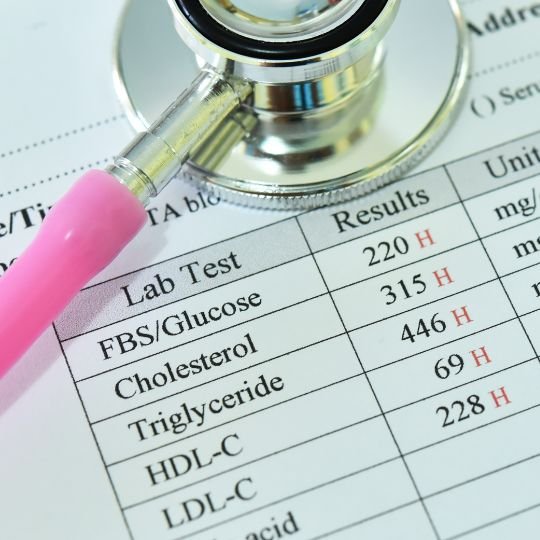
Early detection combines routine medical screening with factors unique to women.
How to Detect Risk Earlier
The smartest approach is not waiting for symptoms.
Early detection combines routine medical screening with factors unique to women.
Good checks to discuss with your doctor include:
blood pressure
fasting glucose or HbA1c
cholesterol and lipid profile
weight and waist measures where relevant
smoking status
family history
exercise habits
diet quality
Important extra questions for women:
Did you have pregnancy complications?
When did menopause begin?
Do you have PCOS or a history of infertility?
Have symptoms changed since menopause?
In some women, extra tests may help:
Coronary artery calcium (CAC) scan
Lipoprotein(a) blood test
hs-CRP (inflammation marker)
advanced lipid testing where appropriate
These can be particularly helpful when standard risk scores underestimate risk.
What You Can Monitor Yourself Between Check-Ups
You don’t need to wait for annual appointments to stay informed about your heart health.
Some of the most useful signals can be tracked at home over time. Trends are often more useful than one-off readings.
Apps like Ovum app can be used to store medical records, monitor your symptoms, and collate smartwatch data, keeping it in one place. The app can then present a list of questions to ask your healthcare provider, or give you an overview of longer-term trends and what lifestyle interventions might be useful.
Here are some metrics you can track.
Blood pressure
A reliable home monitor can help detect rising blood pressure early, especially during midlife, when risk often increases.
If readings are repeatedly elevated, it’s worth discussing with your doctor.
Resting heart rate
Your resting heart rate can reflect fitness, recovery, stress, sleep quality and illness.
Many smartwatches and wearables track this automatically. Sudden, sustained changes are worth noticing.
Waist circumference
In midlife, increasing abdominal fat can be a stronger marker of cardiometabolic risk than scale weight alone.
Tracking waist measurements every few months can be more informative than daily weigh-ins.
Fitness capacity
Ask yourself:
Can I climb stairs comfortably?
Can I walk briskly without getting unusually breathless?
Am I recovering well from exercise?
A noticeable decline deserves attention.
Sleep quality
Poor sleep is strongly linked to blood pressure, insulin resistance, inflammation and weight gain.
Tracking sleep can help identify patterns worth improving, even just writing down what time you wake up and go to bed each night.
Smartwatches or rings may be used to track sleep. While current technology is not highly accurate, it can provide reasonable indicators of overnight sleep trends.
Symptoms diary
If you experience recurring symptoms, note:
chest discomfort
palpitations
dizziness
unusual fatigue
breathlessness
swelling
reduced exercise tolerance
Patterns over time can be extremely helpful when discussing symptoms with a healthcare professional.
Lifestyle scorecard
Many women find it useful to track simple weekly markers such as:
movement/steps
strength sessions
alcohol intake
stress levels
sleep duration
vegetable intake
protein intake
What gets measured often improves.
Important reminder
Self-monitoring is not about anxiety or perfection. It is about noticing trends early, building awareness, and bringing better information into healthcare conversations.
Pick one or two things that are relevant to you, and set a weekly (or even monthly) reminder to take some measurements.
The Lifestyle Changes That Matter Most

Walking, strength training, intervals, and daily movement all help.
The foundations of heart health are still powerful.
Move regularly
Walking, strength training, intervals, and daily movement all help.
Eat in a heart-supportive way
The Mediterranean diet and DASH diet are two approaches recommended for heart health, and for menopausal women.
Focus on:
vegetables
fruit
legumes
quality protein
healthy fats
fibre-rich foods
minimally processed meals
Protect sleep
Sleep is a major pillar of cardiovascular health.
Manage stress seriously
Chronic stress can influence blood pressure, hormones, behaviour and inflammation.
Don’t smoke
Smoking remains one of the strongest cardiovascular risk factors.
Review alcohol honestly
Even moderate alcohol can affect blood pressure, sleep and weight.
The Bottom Line
Midlife women need a smarter heart health playbook because risk often changes during this stage of life, yet many women are still assessed using outdated or incomplete models.
Women can have classic heart disease symptoms. They can also have broader warning signs, different risk patterns, and female-specific factors that deserve attention.
The most empowering message is this:
Don’t wait for a crisis - and don’t outsource your health entirely either. The best outcomes often come when good medical care is matched with smart self-monitoring and early action.
References
Aggarwal, N. R., Patel, H. N., Mehta, L. S., Sanghani, R. M., Lundberg, G. P., Lewis, S. J., Mendelson, M. A., Wood, M. J., Volgman, A. S., & Mieres, J. H. (2018). Sex differences in ischemic heart disease: Advances, obstacles, and next steps. Circulation: Cardiovascular Quality and Outcomes, 11(2), e004437. https://doi.org/10.1161/CIRCOUTCOMES.117.004437
Agarwala, A., Michos, E. D., Samad, Z., Ballantyne, C. M., & Virani, S. S. (2020). The use of sex-specific factors in the assessment of women’s cardiovascular risk. Circulation, 141(7), 592–599. https://doi.org/10.1161/CIRCULATIONAHA.119.043429
Araújo, C., Laszczyńska, O., Viana, M., Melão, F., Henriques, A., Borges, A., Severo, M., Maciel, M. J., Moreira, I., & Azevedo, A. (2018). Sex differences in presenting symptoms of acute coronary syndrome: The EPIHeart cohort study. BMJ Open, 8(6), e018798. https://doi.org/10.1136/bmjopen-2017-018798
Elder, P., Sharma, G., Gulati, M., & Michos, E. D. (2020). Identification of female-specific risk enhancers throughout the lifespan of women to improve cardiovascular disease prevention. American Journal of Preventive Cardiology, 2, 100028. https://doi.org/10.1016/j.ajpc.2020.100028
St. Pierre, S. R., Peirlinck, M., & Kuhl, E. (2022). Sex matters: A comprehensive comparison of female and male hearts. Frontiers in Physiology, 13, 831179. https://doi.org/10.3389/fphys.2022.831179
European Association for the Study of Obesity. (2026, April 12). Heart, metabolic and inflammatory risk patterns found to differ markedly between men and women with obesity. Medical Xpress.
More Posts on Menopause