Estimated Reading Time: 5 minutes
As we age, our bodies respond differently to caffeine, affecting everything from energy levels to sleep quality. Discover how these changes impact your daily routine, which foods are high in caffeine, and shifts you can make to manage your intake.
Understanding Caffeine Intake and Sensitivity

Most people enjoy caffeine in a social occasion with friends, but it is also commonly used to fend off fatigue and improve concentration.
Caffeine sensitivity refers to how each person’s body reacts to caffeine, the stimulant found in coffee, tea, and many energy drinks. This sensitivity can vary widely from person to person, and is influenced by various factors such as genetic makeup, age, and overall health.
Most people enjoy caffeine in a social occasion with friends, but it is also commonly used to fend off fatigue and improve concentration.
While the recommended safe caffeine intake for adults is up to 400 mg per day - equivalent to around four cups of brewed coffee (Mayo Clinic, 2025) - the effects of caffeine can vary significantly between individuals due to differences in caffeine sensitivity.
For some, a single cup of coffee can lead to jitteriness, rapid heartbeat, and disturbed sleep, while others may find it merely provides a mild boost. This variation depends on how quickly or slowly caffeine is metabolised in the body, which in turn is influenced by one's caffeine sensitivity.
Over time, many people find that their tolerance to caffeine changes. This can be due to a variety of factors, such as lifestyle changes, health conditions, or simply the natural ageing process. By understanding the nuances of caffeine sensitivity, people can better tailor their intake to suit their evolving needs and to minimise any adverse health effects.
The Science Behind Caffeine Metabolism
Caffeine metabolism occurs in the liver. When you drink or eat a caffeinated product, the caffeine is absorbed into the bloodstream and makes its way to the liver, where it is broken down by enzymes into three main metabolites: paraxanthine, theobromine, and theophylline. Each of these has different effects on the body.
Genetic factors and lifestyle choices influence how active and effective the liver enzymes are in terms of metabolising (breaking down) caffeine.
The half-life of caffeine - the time it takes for the concentration of caffeine in the blood to reduce by half - also influences its effects. On average, caffeine's half-life is 5 - 6 hours, but this can range from three to seven hours depending on individual differences.
Factors such as age, overweight/obesity, liver function, alcohol intake, smoking, pregnancy and the presence of other substances in the body can all influence this rate, further contributing to the variability in caffeine sensitivity (Wang et. al., 2021). Children and adolescents are often more caffeine sensitive due to their smaller body size.
How Age Affects Caffeine Sensitivity
As we age, our bodies undergo a number of physiological changes that can affect how we process and respond to caffeine. These include:
1.) A gradual decline in liver size and function with age
The liver decreases in size by 20 - 40% with age, and is less effective at metabolising the things we consume, including caffeine.
2.) Changes in body composition
A decrease in muscle mass and an increase in body fat (common during menopause) can alter the metabolism and elimination of caffeine, such that higher concentrations of caffeine remain in the bloodstream for longer periods.
3.) Reduced compensation for the stimulating effects of caffeine
Older adults often have a reduced ability to compensate for the stimulating effects of caffeine, such as elevated heart rate and blood pressure, which can contribute to increased sensitivity.
4.) Altered sleep patterns
Ageing is often accompanied by changes in sleep patterns and quality. Older adults tend to have lighter, more fragmented sleep. Caffeine consumption can interfere with the ability to fall asleep and stay asleep, leading to a vicious cycle of fatigue and increased caffeine consumption.
Being aware of these types of age-related changes can help individuals make more informed decisions about their caffeine intake and avoid potential negative impacts.
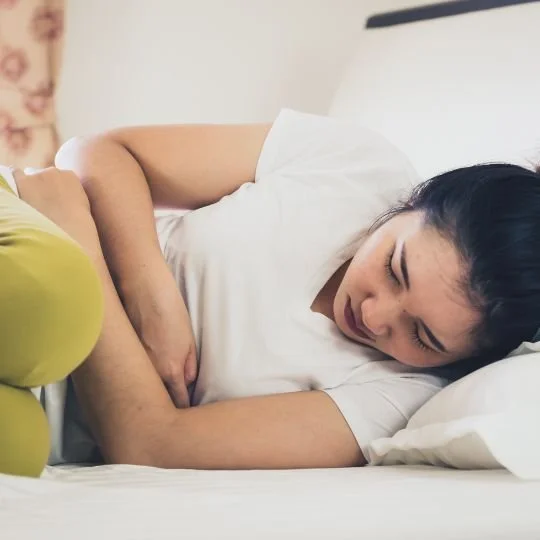
More severe symptoms can result in confusion, nausea, vomiting and even seizures.
Common Symptoms of Caffeine Sensitivity
Caffeine sensitivity can manifest in a variety of symptoms, ranging from mild to severe.
Mild to moderate symptoms are commonly jitteriness or nervousness, which can be accompanied by increased heart rate or palpitations, also restlessness, insomnia, digestive issues (stomach cramps, diarrhea) and the urge to pee frequently.
More severe symptoms can result in confusion, nausea, vomiting and even seizures.
Sleep disturbances are a common symptom of caffeine sensitivity. Caffeine's stimulating effects can interfere with the ability to fall asleep, stay asleep, or achieve restful sleep.
This can lead to a cycle of daytime fatigue and increased caffeine consumption, further exacerbating sleep issues. Individuals who experience sleep disturbances due to caffeine sensitivity should consider reducing their intake, especially in the hours leading up to bedtime, to improve their sleep quality.
Lifestyle Factors That Affect Caffeine Sensitivity Beyond Age

Lifestyle factors such as diet, exercise, and stress levels can also influence caffeine sensitivity.
Age and genetic factors are not the only things that affects caffeine sensitivity.
Lifestyle factors such as diet, exercise, and stress levels can also influence caffeine sensitivity.
A diet high in cruciferous vegetables and lean meats can increase the activity of enzymes that metabolise caffeine, potentially reducing sensitivity.
Regular physical activity can also impact how the body processes caffeine, with some studies suggesting that exercise can enhance caffeine metabolism.
High stress levels can amplify the stimulating effects of caffeine, making individuals more sensitive to its impact.
Medications that affect liver function or interact with caffeine can also influence how the body processes and responds to caffeine - such as the oral contraceptive pill.
Caffeine Levels in Common Foods and Beverages
How much caffeine do you consume? Caffeine is found in various foods and drinks, and levels vary. Here are some examples (Food Standards ANZ; Healthline, 2024):
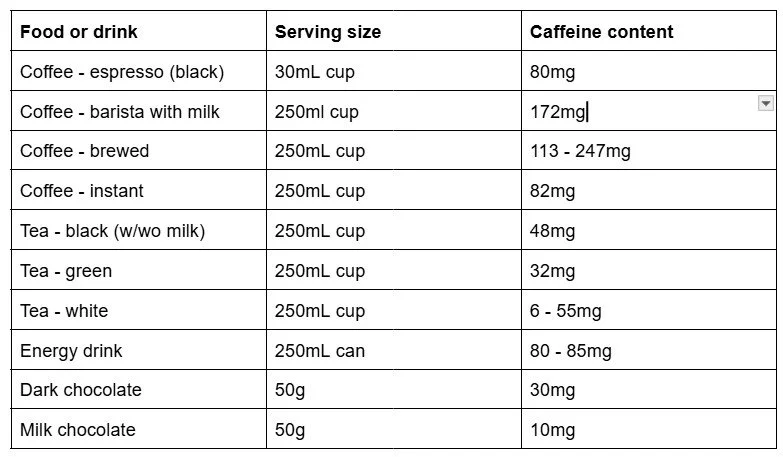
Considering a guideline amount of 400mg of caffeine per day and your individual sensitivity, this table may help you see areas where you could reduce your caffeine intake.
Tips for Managing Caffeine Intake as You Age
As sensitivity to caffeine changes with age, it's important to adjust your intake to maintain health and wellbeing.
One effective strategy is to monitor your caffeine consumption and keep track of how your body responds. By paying attention to symptoms such as jitteriness, heart palpitations, or sleep disturbances, you can identify patterns and make informed decisions about your caffeine intake.
Reducing the overall amount of caffeine you consume is another important step. This can be achieved by gradually cutting back on caffeinated beverages and replacing them with lower-caffeine or caffeine-free alternatives. For example, if you typically drink multiple cups of coffee a day, consider switching to decaffeinated coffee or herbal tea for some of those servings. This gradual reduction can help minimise withdrawal symptoms and allow your body to adjust more comfortably.
Timing your caffeine intake is also crucial, especially as you age. Consuming caffeine earlier in the day can help prevent its stimulating effects from interfering with your sleep. Aim to avoid caffeine in the late afternoon and evening to ensure a more restful night's sleep. Additionally, be mindful of hidden sources of caffeine, such as certain medications, chocolate, and energy drinks, which can contribute to your overall intake without you realising it.
Caffeine Alternatives
Want energy without the caffeine spike and crash? Here are some ideas for substitutes, and some lifestyle changes that could boost and stabilise energy without caffeine.
Herbal teas, such as chamomile or peppermint, rooibos or ginger, can provide a soothing and caffeine-free beverage option.
Green tea contains lower levels of caffeine compared to coffee and also provides antioxidants that support health, giving more consistent energy rather than a spike and then a crash.
Another option is matcha, a powdered form of green tea that offers a more sustained energy boost due to its unique composition.
Incorporating mindfulness practices, such as meditation or yoga, can also help manage stress and improve focus without the need for caffeine.
Staying hydrated with water and consuming a balanced diet rich in fruits, vegetables, and whole grains can help maintain energy levels.
Regular physical activity, such as walking or light exercise, can also boost energy and improve overall well-being without the need for caffeine.
Reducing chocolate intake at night can be helpful for some people.
Conclusion: Embracing Change in Caffeine Consumption
As we navigate the different stages of life, our bodies and sensitivities change, including how we respond to caffeine.
Understanding these changes and adapting our caffeine consumption accordingly can help us maintain optimal health and wellbeing.
By being mindful of our individual sensitivities, monitoring our intake, and exploring alternative options, we can enjoy the benefits of caffeine without the negative effects.
References/Citations
Food Standards Australia New Zealand. (n.d.). Australian Food Composition Database (AFCD). Food Standards Australia New Zealand. https://www.foodstandards.gov.au/science-data/food-nutrient-databases/afcd
Healthline. (n.d.). How much caffeine is in coffee? Healthline. https://www.healthline.com/nutrition/how-much-caffeine-in-coffee#amount-by-type
Mayo Clinic. (2025). Caffeine: How much is too much? Mayo Clinic. https://www.mayoclinic.org/healthy-lifestyle/nutrition-and-healthy-eating/in-depth/caffeine/art-20045678
Wang, L., Wang, Y., Ye, D., & Liu, Q. (2021). A review of the 2019 novel coronavirus (COVID-19) based on current evidence. Frontiers in Pharmacology, 12, 752826. https://doi.org/10.3389/fphar.2021.752826
More Posts on Menopause